

Drink Pink
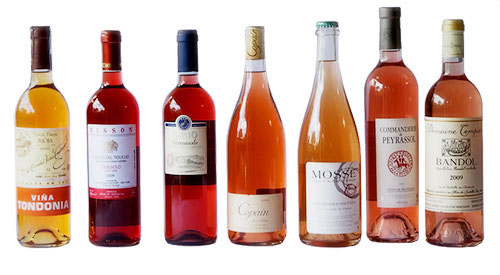
This summer we are cellaring the reds and whites and making room in the Canal House fridge to chill bottles of rosy rosé to sip through the long hot months. Dry and refreshing and lower in acidity than white wine, rosé pairs well with grilled meats and those summer vegetables that we like dress with extra-virgin olive oil and a squeeze of lemon juice— these delicious wines just taste like summer to us.
Our local wine shops carry a bounty of rosés and their varying shades are quite a sight. From the palest onion-skin pink, to vibrant carnation, to orangey salmon, and bright fuchsia, each producer creates a hue all their own. What does the color tell you about what is in the bottle? Not much, it turns out, besides the length of time the producer let the juice and grape skins macerate together, usually 1 to 3 days. Likewise, don’t count on the price to be an indicator of quality. The majority of delicious finds range from $7 to $20 in many wine shops.
With so many affordable choices, we learned a few shopping tips from the experts who know that it’s all about terroir: the attributes of a region and its soil that shape a wine. Our preferred pinks—the dry, elegant, and creamy rosés with slight strawberry noses or savory rosés that bring to mind an herb garden and hints of raspberry—are found in Europe. The lusher, juicier rosés hinting of watermelon and floral notes tend to be “new world,” hailing from the United States, Australia, New Zealand, South America, and South Africa.
Neal Rosenthal, who founded Rosenthal Wine Merchants in the 1970s, is an expert on terroir and importer of impeccable, traditionally made wines from France and Italy. Rosenthal says rosé shoppers should seek out “appellations highly regarded for their red wines.” He looks for rosés from Southern Rhône and from Bandol in Provence, considered the most highly regarded and classic rosé territory in the world.
The Rhône and Bandol classics can be quite a splurge and Rosenthal says that “it would be unfortunate to zero in on these more typical areas” and miss others. For some delicious values, he recommends pinot noir rosés from Marsannay in Burgundy and also from Menetou-Salon in the Loire Valley. He’s finding that the Loire 2009 vintage is especially lively and recommends bottles from Touraine and Coteaux du Layon within the region.
In Italy he recommends the light red-tinted wines from the Ligurian coast and also from Tuscany. He also seeks out the cerasuolo grape found in the southern tip of Italy.
Here are some of our favorite Rosenthal rosés, and a few other delicious recommendations for summer sipping:
Domaine Tempier Bandol Rosé 2009, Provence, France—$36
Once per summer we splurge and buy a bottle of this classic Provence beauty, made mostly from mourvèdre. Softly pink, dry, creamy, and delicately flavored with peach and raspberry, it is exactly what we think of when we dream about rosé season arriving each year.
Commanderie de Peyrassol, Cotes de Provence 2009, France—$14
Rosenthal calls this one his “workhorse rosé . . . known for its brilliance.” It is the Provence rosé you should be drinking when you’re not drinking the pricier Domaine Tempier Bandol. This elegant wine is a blend of grenache, cinsault, and syrah grapes that grow on vines dating back to the Middle Ages. Knights protecting the Crusaders en route to the Holy Land founded the Peyrassol estate, harvesting the first grapes in 1256.
Château Mosse, Pétillant Moussamouettes, Loire Valley, France—$20
A friend brought this naturally made sparkling wine to Christopher’s birthday party and we fell in love with it. A blend of cabernet franc and grolleau, it is unfiltered and looks a bit cloudy, but the palate is all fresh strawberry and bright, light acidity. We could sip this Loire lady all afternoon.
Domaine de Fenouillet, Côtes du Ventoux Rosé 2009, France—$12
A pretty, pale blend of cinsault, grenache, and syrah, this southern Rhône pink is one of those delightfully drinkable values. It’s dry and balanced but has a freshness reminiscent of strawberries.
Copain, Tous Ensemble Rosé 2009, Mendocino, CA—$15
This California rosé from the northern coast is vibrant and clean with very pure noncloying fruit. Pinot noir and syrah from a single vineyard site make a delicate and pretty wine.
San Lorenzo, Sirio Cerasuolo d’Abruzzo 2009, Italy—$7
Bright, lively, and refreshing, this deal of the summer is from the Montepulciano grape from the Adriatic coast.
Bisson Golfo del Tigullio Ciliegiolo Rosato , Liguria, Italy—$19
Barely a rosé with its bright fuchsia color, this Italian comes from just south of Piedmont—the Ligurian coast that is known as “the Italian Riviera.” Don’t be fooled by the intense color, this wine is so lovely, so dry, and with delicious minerality, as if you can taste the Mediterranean right in the bottle.
Lopez de Heredia, Viña Tondonia Rosado Gran Reserva 2000, Spain—$24
This Rioja rosé breaks all the rules and is the most delicious wine with paella and a plate of jamón serrano. Pale coppery orange, this fascinating tempranillo and garnacha blend is aged for ten years before its release, resulting in a bone dry, spicy, rosé that hints toward rose petals and vanilla and has the complexity and slight oxidation of sherry. It’s not the chuggable stuff of summer barbecues but it’s too delicious to miss.
